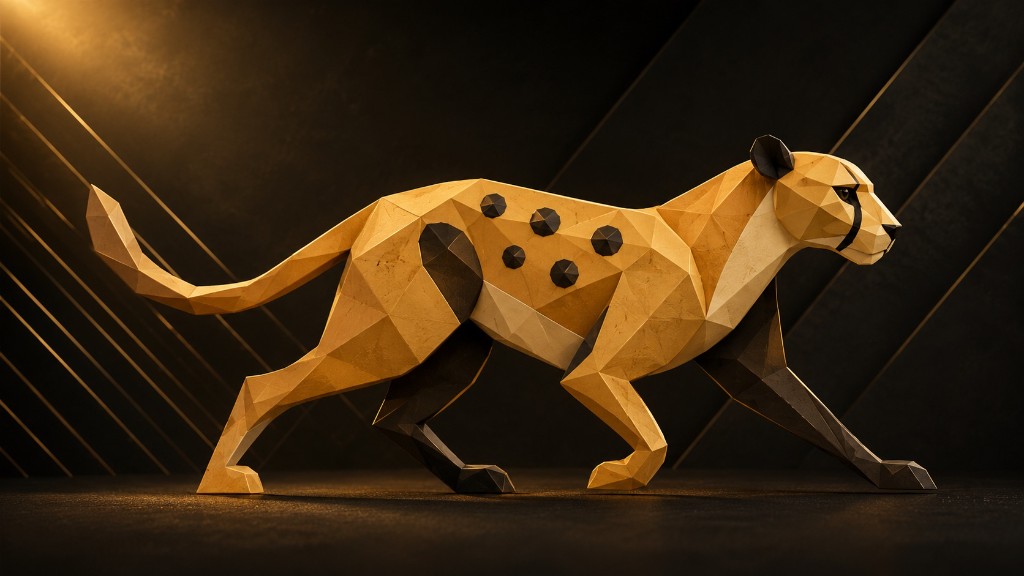
The Energetic communication style
Dynamic, lively and engaging communication
In every organization, some people immediately bring energy into conversations.
They stimulate discussions, create momentum, spread enthusiasm, and naturally draw others into their dynamic.
In the T8 method, this corresponds to the Energetic communication style.
The Energetic style is not simply an “extroverted” style.
It is primarily a way of communicating oriented toward:
- movement,
- enthusiasm,
- positive impact,
- spontaneity,
- collective stimulation.
Where some styles primarily seek precision or stability, the Energetic style mainly seeks to:
- create momentum,
- generate engagement,
- transmit energy to others.
The T8 Method: behavior, communication and drivers
The T8 method distinguishes several dimensions of human functioning:
- behavior,
- communication styles,
- psychological drivers,
- relational dynamics.
Important: Communication style is independent from behavioral archetypes.
For example:
- an Owl may have a highly Energetic communication style,
- a Lion may communicate in a very Composed way,
- a Shepherd may be extremely dynamic in interactions.
The Energetic style therefore describes only:
how a person transmits energy and interacts verbally with others.
How to recognize Energetic communication
The Energetic style is generally recognized through communication that is:
- dynamic,
- spontaneous,
- expressive,
- fast,
- engaging.
A person with this communication style tends to:
- speak with intensity,
- transmit enthusiasm,
- create movement in conversations,
- react quickly,
- stimulate others’ attention.
In discussions, they often seek to:
- create engagement,
- maintain high energy,
- keep conversations lively,
- move collective dynamics forward.
Their natural reflex:
transmit energy to create movement.
The major strengths of the Energetic style
A strong ability to engage others
The Energetic style naturally energizes teams.
It often allows people to:
- mobilize quickly,
- create enthusiasm,
- maintain positive momentum,
- inspire action.
In many environments, this ability becomes a true collective driver.
Lively and engaging communication
Energetic profiles generally make conversations:
- more fluid,
- more lively,
- more interactive,
- more stimulating.
They often know how to:
- capture attention,
- communicate vision with intensity,
- maintain relational engagement,
- bring rhythm to interactions.
This quality becomes particularly valuable in:
- sales,
- management,
- team leadership,
- public speaking,
- environments requiring engagement and mobilization.
Strong relational responsiveness
The Energetic style reacts quickly.
It often brings:
- spontaneity,
- interaction speed,
- social fluidity,
- adaptability in conversations.
This relational speed often makes it easy to create momentum within teams.
The limitations of the Energetic style
Like all communication styles, the Energetic style also has areas of vulnerability.
A tendency to take up a lot of space
The Energetic style enjoys lively exchanges.
As a result, it may sometimes:
- speak quickly,
- monopolize attention,
- unintentionally interrupt others,
- impose its rhythm on conversations.
Its main risk:
creating intensity without leaving enough space for others.
Difficulty with overly slow environments
Energetic profiles struggle with:
- endless discussions,
- passive environments,
- emotionally cold exchanges,
- excessively slow rhythms.
They may then:
- quickly lose attention,
- try to accelerate discussions,
- become impatient,
- create even more intensity.
Dispersion in conversations
The Energetic style enjoys:
- interacting,
- bouncing from idea to idea,
- reacting quickly,
- circulating energy.
But this dynamic can sometimes:
- scatter discussions,
- move away from the main topic,
- reduce analytical depth,
- complicate structured discussions.
The Energetic style under pressure
Under stress, Energetic communication tends to become:
- more intense,
- faster,
- more impulsive,
- more emotional,
- harder to channel.
The Energetic profile may then:
- speak even more,
- try to artificially maintain positive momentum,
- accelerate conversations,
- lose listening quality.
The Energetic style particularly dislikes:
- passive environments,
- inaction,
- cold interactions,
- demotivated teams,
- highly rigid contexts.
How to communicate effectively with an Energetic profile
With someone who has an Energetic communication style, it is generally preferable to:
- be responsive,
- interact dynamically,
- avoid overly passive exchanges,
- maintain rhythm in conversations,
- keep energy alive in interactions.
Energetic profiles generally appreciate:
- spontaneous exchanges,
- dynamic environments,
- enthusiasm,
- lively interactions,
- engaged people.
Conversely, they may quickly withdraw in response to:
- passivity,
- cold interactions,
- endless discussions,
- excessively rigid environments,
- people who are very unresponsive.
Communication styles that naturally work well with the Energetic style
The Direct style
The Direct style brings:
- structure,
- decision-making,
- efficiency.
The Energetic style brings:
- enthusiasm,
- movement,
- positive intensity.
This combination often creates fast, action-oriented interactions.
The Direct style channels the energy.
The Energetic style accelerates the dynamic.
The Warm style
The Warm style brings:
- human closeness,
- empathy,
- relational fluidity.
The Energetic style brings:
- enthusiasm,
- spontaneity,
- collective momentum.
This combination often creates highly engaging human environments.
Natural tensions with the Energetic style
The Reserved style
The Reserved style prioritizes:
- calmness,
- restraint,
- measured exchanges,
- reflection time.
The Energetic style prefers:
- fast interactions,
- spontaneity,
- high rhythm,
- lively conversations.
The Energetic profile may perceive the Reserved style as:
- too passive,
- difficult to read,
- insufficiently responsive.
The Reserved profile may perceive the Energetic style as:
- too intense,
- overwhelming,
- relationally exhausting.
The Composed style
The Composed style values:
- stability,
- calmness,
- emotional control,
- consistency.
The Energetic style values more:
- movement,
- intensity,
- spontaneity,
- emotional expression.
The Composed profile may perceive the Energetic style as:
- too impulsive,
- too scattered,
- emotionally intense.
The Energetic profile may perceive the Composed style as:
- too slow,
- not expressive enough,
- insufficiently dynamic.
Environments where the Energetic style excels
The Energetic style is often particularly effective in:
- sales,
- management,
- team leadership,
- customer relations,
- dynamic environments,
- roles requiring engagement and mobilization,
- highly relational professions.
Conversely, it may generate more fatigue in:
- highly rigid environments,
- emotionally cold structures,
- ultra-procedural contexts,
- organizations with very limited human interaction.
Key takeaways
The Energetic style is not a superficial style.
It is a style of movement and engagement.
Where some stabilize, it energizes.
Where some analyze, it stimulates action.
Where some slow things down, it creates momentum.
In modern organizations, the Energetic style often becomes a powerful collective driver — because high-performing teams also need energy to move forward sustainably.
About the T8 Method
The T8 method was created by Tennessee Veldeman.
It distinguishes several complementary dimensions of human functioning:
- behavior,
- communication styles,
- psychological drivers,
- relational dynamics.
The goal is not to put individuals into boxes, but to better understand natural differences in functioning in order to improve:
- management,
- recruitment,
- communication,
- collective performance.
People Analyzer is currently the official distributor of the T8 method.