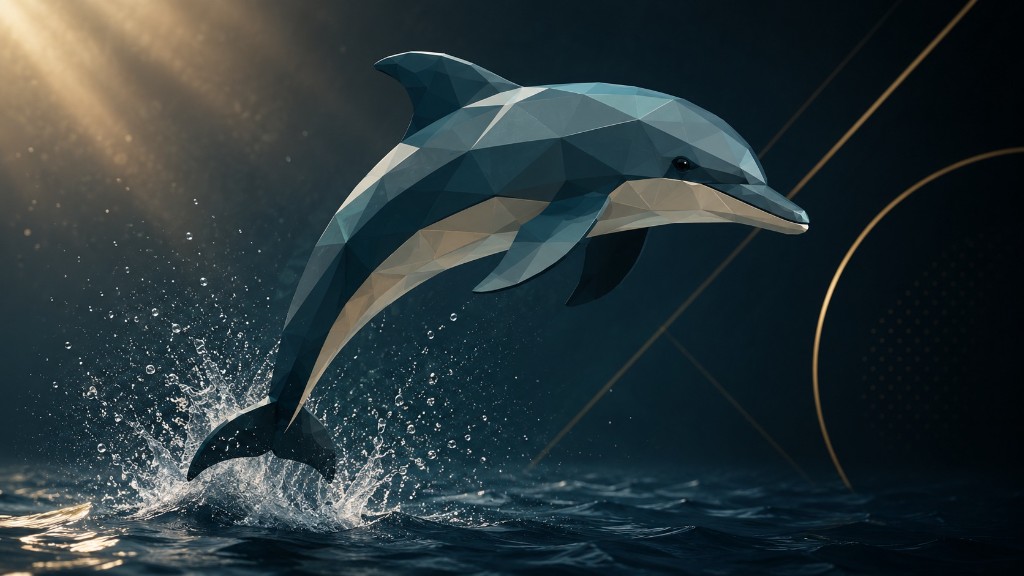
The T8 Dolphin
The profile that naturally creates collective energy
In every organization, some profiles immediately bring positive relational energy.
They create connection, stimulate group momentum, smooth interactions and make environments feel more alive.
In the T8 method, this behavior corresponds to the Dolphin.
The Dolphin is not simply a sociable profile.
It is primarily a profile oriented toward:
- relationships,
- collective movement,
- enthusiasm,
- human connection,
- social energy.
Where some profiles structure or lead, the Dolphin primarily seeks to:
- create interaction,
- generate engagement,
- maintain a positive dynamic around them.
The T8 Method: understanding human behaviors
The T8 method is a behavioral analysis framework built around 8 major animal archetypes.
Each archetype represents a natural way of functioning in:
- decision-making,
- stress management,
- conflict,
- performance,
- change,
- team dynamics.
Important:
In the T8 method, the animal represents only behavior.
It does not describe:
- deep motivations,
- psychological drivers,
- communication styles.
These dimensions are analyzed separately within the method.
The Dolphin therefore describes a way of acting, interacting and creating collective momentum.
The behavior of the Dolphin
The Dolphin is a profile oriented toward:
- relationships,
- social energy,
- interaction,
- optimism,
- human connection.
Its functioning is mainly based on:
- warmth,
- sociability,
- energy,
- empathy,
- collective dynamics.
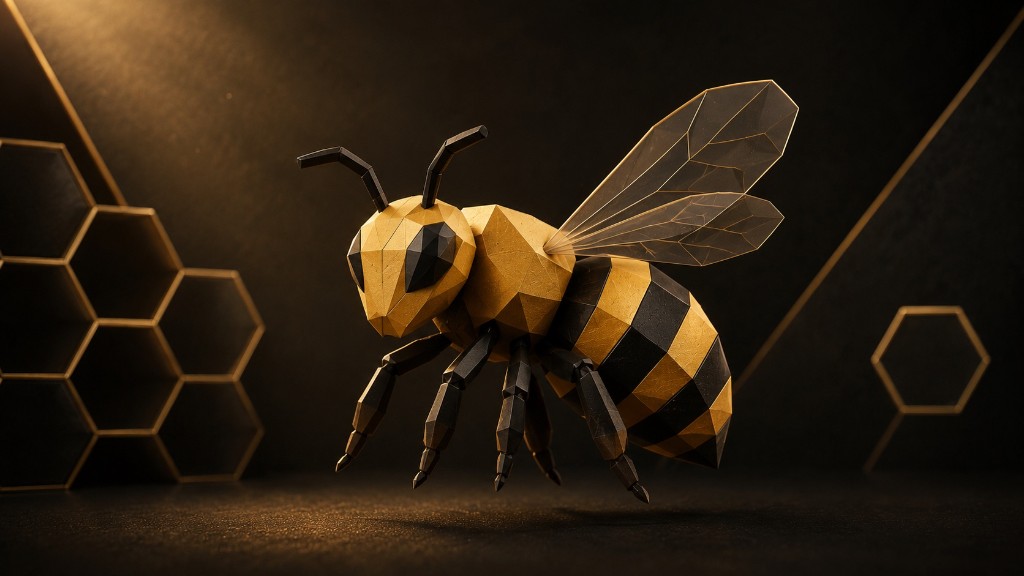
Unlike the Owl, which prioritizes analysis, or the Bee, which prioritizes structure, the Dolphin primarily seeks to maintain healthy human flow within its environment.
Its natural reflex:
create connection, engage others and bring the collective to life.
How to recognize a Dolphin at work
The Dolphin is often the person who:
- easily creates contact,
- brings energy into conversations,
- smooths relationships,
- naturally motivates teams,
- makes environments more vibrant,
- quickly develops a relational network.
In meetings, they may:
- energize discussions,
- encourage participation,
- create a more relaxed atmosphere,
- connect people together,
- stimulate collective engagement.
Within organizations, the Dolphin often becomes:
- the unifier,
- the relational ambassador,
- the social engine of the team,
- the profile that maintains positive group energy.
The major strengths of the Dolphin
Strong relational ability
The Dolphin naturally creates connection.
It often develops quickly:
- trust,
- closeness,
- relational fluidity,
- human engagement.
This ability becomes especially valuable in:
- management,
- sales,
- customer relations,
- collaborative environments,
- roles requiring significant human interaction.
Positive collective energy
The Dolphin often brings:
- enthusiasm,
- movement,
- motivation,
- spontaneity,
- stimulating collective dynamics.
In many teams, it acts as an accelerator of human engagement.
Strong social adaptability
The Dolphin quickly understands relational dynamics.
It often knows how to:
- integrate rapidly,
- create connections,
- smooth interactions,
- reduce social tension.
This ability allows the Dolphin to feel comfortable in very different environments.
The limitations of the Dolphin
Like all behavioral profiles, the Dolphin also has areas of vulnerability.
Difficulty with overly cold environments
The Dolphin needs human interaction.
Environments that are:
- highly isolated,
- excessively technical,
- low in relational interaction,
- socially rigid
… can quickly drain the Dolphin’s energy.
Its main risk:
losing energy when there is no human dynamic around them.
A tendency to avoid tension
The Dolphin often seeks to preserve a positive atmosphere.
As a result, it may sometimes:
- avoid confrontation,
- minimize problems,
- bypass tension,
- prioritize atmosphere over substance.
In certain situations, this may slow down difficult but necessary decisions.
Relational dispersion
The Dolphin enjoys:
- interacting,
- connecting,
- engaging with people.
But this social energy may sometimes:
- scatter attention,
- reduce concentration,
- slow execution,
- pull focus away from operational priorities.
The Dolphin under pressure
Under stress, the Dolphin tends to:
- seek more relational validation,
- multiply interactions,
- avoid direct conflict,
- overcompensate through social energy,
- try to maintain a positive atmosphere even as tension rises.
The Dolphin particularly dislikes:
- cold environments,
- isolation,
- constant conflict,
- closed-off teams,
- highly aggressive cultures.
How to manage a Dolphin
The Dolphin performs best when given:
- interaction,
- lively environments,
- recognition,
- collaborative projects,
- relational autonomy.
Conversely, it disengages when:
- work becomes too isolated,
- the environment lacks human energy,
- management becomes excessively rigid,
- relationships deteriorate over time.
The right balance generally consists of:
- valuing its relational ability,
- while maintaining clear structure around objectives and execution.
Profiles that naturally work well with the Dolphin
The Shepherd
The Shepherd brings:
- relational stability,
- listening,
- long-term cohesion.
The Dolphin brings:
- social energy,
- enthusiasm,
- relational fluidity.
This combination often creates highly human and collaborative teams.
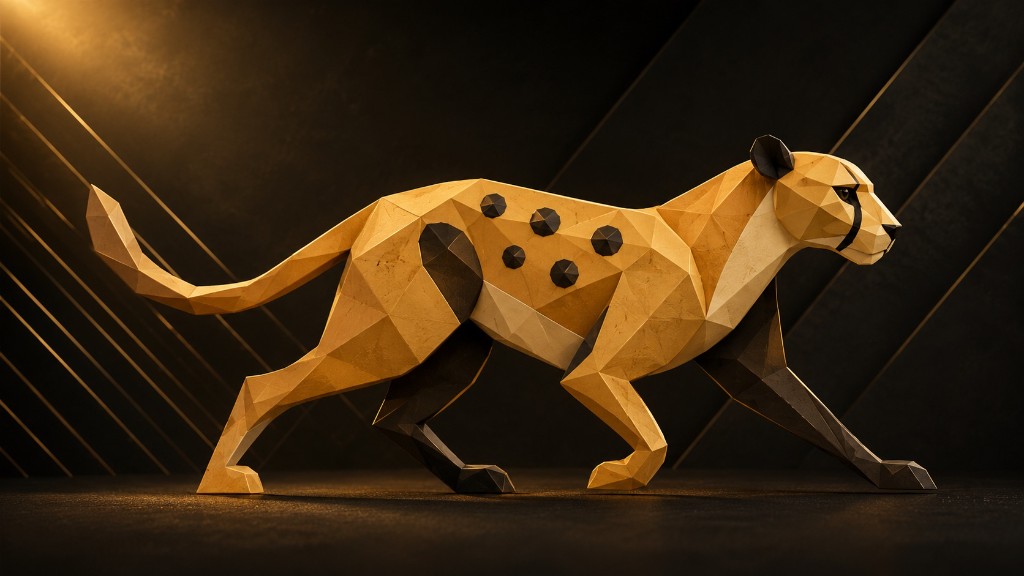
The Cheetah
The Cheetah brings:
- movement,
- adaptability,
- responsiveness.
The Dolphin brings:
- collective engagement,
- relationships,
- human energy.
The Cheetah accelerates projects.
The Dolphin brings people into the movement.
This complementarity works particularly well in entrepreneurial or commercial environments.
The Lion
The Lion brings:
- direction,
- leadership,
- decision-making ability.
The Dolphin brings:
- buy-in,
- collective energy,
- relational fluidity.
The Lion creates strategic momentum.
The Dolphin facilitates human engagement around that momentum.
Natural tensions with the Dolphin
The Owl
The Owl values:
- logic,
- analysis,
- rationality,
- emotional control.
The Dolphin values more:
- interaction,
- social energy,
- spontaneity,
- human fluidity.
The Owl may perceive the Dolphin as:
- too emotional,
- too scattered,
- insufficiently structured.
The Dolphin may perceive the Owl as:
- cold,
- distant,
- excessively critical.
The Bee
The Bee prioritizes:
- structure,
- organization,
- processes,
- rigor.
The Dolphin prioritizes:
- interactions,
- human movement,
- spontaneity,
- relational flexibility.
The Bee may perceive the Dolphin as:
- too scattered,
- insufficiently structured.
The Dolphin may perceive the Bee as:
- too rigid,
- too procedural,
- not flexible enough relationally.
Environments where the Dolphin excels
The Dolphin is often highly effective in:
- sales,
- management,
- customer relations,
- collaborative environments,
- people-oriented professions,
- roles requiring significant interaction,
- collective-oriented organizations.
Conversely, it may struggle more in:
- highly isolated environments,
- cold or rigid structures,
- highly procedural organizations,
- contexts with limited human interaction.
Key takeaways
The Dolphin is not a profile of control.
It is a profile of connection.
Where some structure, it creates fluidity.
Where some lead, it brings others along.
Where some analyze, it creates connection.
In modern organizations, the Dolphin often becomes a key factor of collective engagement — because high-performing teams need not only strategy and execution, but also human energy.
About the T8 Method
The T8 method was created by Tennessee Veldeman.
It distinguishes several complementary dimensions of human functioning:
- behavior,
- communication styles,
- psychological drivers,
- relational dynamics.
The goal is not to put individuals into boxes, but to better understand natural differences in functioning in order to improve:
- management,
- recruitment,
- communication,
- collective performance.
People Analyzer is currently the official distributor of the T8 method.